
Simple Ways to Reduce Noise at Home for a Calmer Space
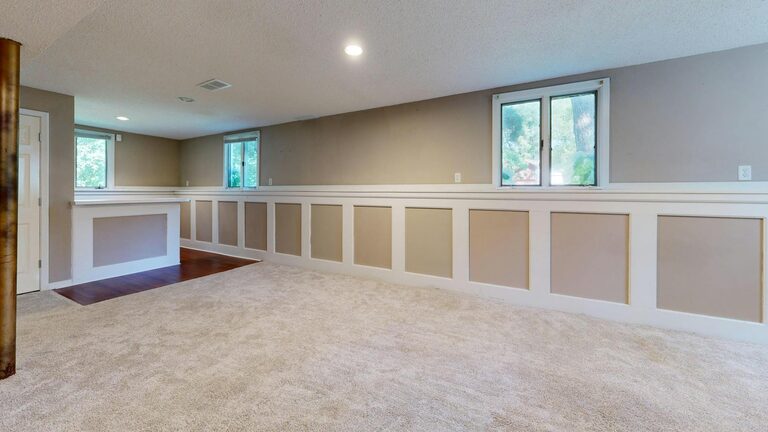
Living in a noisy environment can be stressful and disruptive, whether the sounds come from busy streets, loud neighbors, or household activities. Reducing noise at home doesn’t have to require expensive renovations or complex solutions. With some simple changes and smart choices, you can enjoy a calmer and quieter living space.
In this post, we’ll explore practical ways to reduce noise at home, from easy DIY fixes to small adjustments in your daily routine.
Why Reducing Noise at Home Matters
Excessive noise affects our well-being by increasing stress levels, disturbing sleep, and reducing concentration. Creating a quieter home can improve relaxation, enhance productivity, and contribute to a healthier lifestyle. The good news is that many noise-reduction methods are affordable and straightforward to implement.
Identify the Noise Sources
Before making changes, take a moment to note the main sources of noise in and around your home. Common noise sources include:
– Traffic sounds from nearby roads
– Loud conversations or music from neighbors
– Household appliances or electronics
– Footsteps and voices within the home
– Outdoor activities like construction or lawn mowing
Knowing what types of noise bother you the most will help you choose the best ways to reduce them.
Simple Noise-Reducing Tips for Every Room
1. Use Soft Furnishings to Absorb Sound
Hard surfaces reflect sound waves and make rooms feel louder. Adding soft materials can absorb noise and soften echoes.
– Place rugs or carpets on floors, especially on hard surfaces like tile or hardwood
– Add cushioned furniture, pillows, and curtains
– Use fabric wall hangings or bookcases filled with books to absorb sound
2. Seal Gaps and Cracks
Sound can easily travel through small gaps around doors, windows, and vents.
– Apply weatherstripping around doors and windows
– Use door sweeps to block noise from hallways or outside
– Fill cracks or holes with caulk or sealant
3. Rearrange Furniture Strategically
Furniture placement can help buffer noise.
– Move large pieces like sofas and bookshelves against walls shared with noisy neighbors or streets
– Position beds and seating away from windows facing busy areas
4. Add Window Treatments
Windows are common weak points for outside noise.
– Install heavy, noise-reducing curtains or blackout drapes
– Consider double-glazed or laminated window panes if upgrading windows is an option
5. Use White Noise or Sound Machines
Sometimes masking unwanted noise is an effective tactic.
– White noise machines or apps produce soothing, consistent sounds that reduce distractions
– Fans or air purifiers can also create gentle background noise to cover up sudden sounds
Noise Reduction in Specific Areas
Kitchen and Living Room Tips
– Use rubber pads or mats under appliances to reduce vibration noise
– Close kitchen doors when cooking or using noisy equipment
– Keep TV and music volumes moderate and use headphones when possible
Bedroom Quieting Ideas
– Encourage family members to lower noise levels during sleeping hours
– Use earplugs if noise is unavoidable
– Choose bedroom locations away from common noise sources if possible
Outdoor Noise Control Strategies
If outdoor sounds disturb your home environment, here are some options:
– Plant trees and shrubs near windows or fences to act as natural sound barriers
– Use soundproof fencing or screens in patios or yards
– Schedule outdoor noisy activities during less sensitive times of day
When to Consider Professional Soundproofing
For persistent noise problems or shared walls, professional soundproofing can make a big difference, though it may cost more. Options include:
– Adding insulation inside walls or ceilings
– Installing acoustic panels or foam
– Replacing doors with solid-core or soundproof versions
These are often considered last resorts after simpler methods have been tried.
Final Thoughts
Reducing noise at home is achievable with a few mindful steps and small investments. Soft furnishings, sealing gaps, strategic furniture placement, and window treatments are easy ways to create a quieter, more comfortable space. Combined with lifestyle adjustments like using white noise or choosing quieter times for activities, noise can be managed effectively.
A peaceful home supports better rest, concentration, and overall enjoyment. Start with these simple tips and enjoy a calmer atmosphere every day.